Lake Balaton & Cruise
35 reviews
Discover Lake Balaton in Hungary on this 9-hour tour from Budapest. Visit the abbey on the Tihany Peninsula and walk along the promenade in Balatonfüred then take a pleasant boat ride.
Buy now
From 85,00€ per person
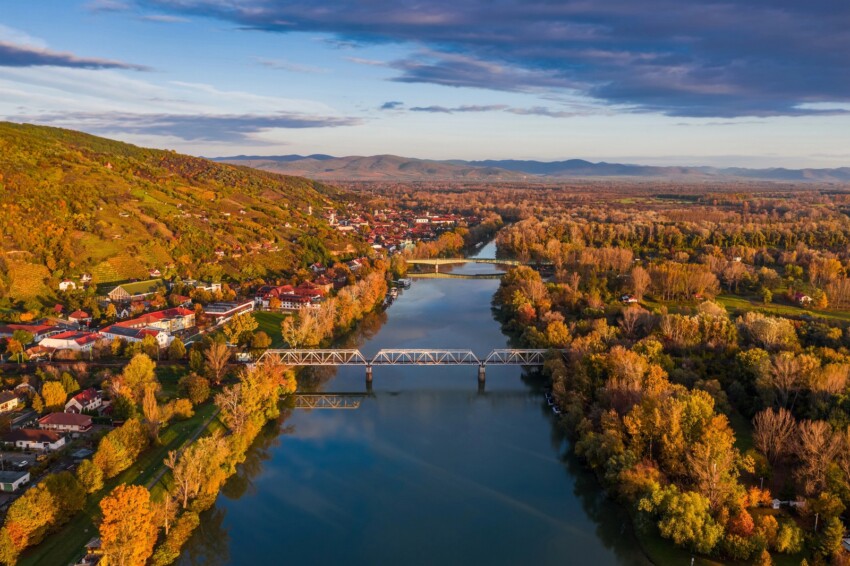
Hungary is much more than Budapest. This country in the heart of Europe harbours spa towns, medieval villages and natural landscapes that tell centuries of history and tradition. From the plains of the Great Hungarian Plain to the wine-growing hills of Tokaj, each region offers an authentic experience off the beaten tourist track.
The Hungarian territory is distinguished by the variety of its attractions: UNESCO heritage cities such as Pécs and Eger, Lake Balaton that becomes the centre of Hungarian bathing life in summer, and villages such as Szentendre where time seems to stand still. Natural spas dot the entire country, creating a true wellness culture that dates back to Roman times.
The Hungarian countryside preserves centuries-old traditions in the puszta, the large expanses of grassland where horse breeding is still practised according to ancient methods. The vineyards of Tokaj and Villány produce world-renowned wines, while university cities such as Debrecen and Szeged pulsate with youthful energy and cultural offerings.
Exploring Hungary beyond the capital means immersing yourself in a different atmosphere, where the pace is slower and the welcome warmer. In this article, we guide you through the unmissable destinations that complete a trip to Hungary, combining culture, nature and authentic traditions.
Hungary is one of the 15 most popular tourist destinations in the world, easily accessible by thousands of flights, including low-cost flights, from any country. Despite its relatively small size, the country has numerous UNESCO World Heritage sites. Of course, its beautiful capital Budapest is also part of them.
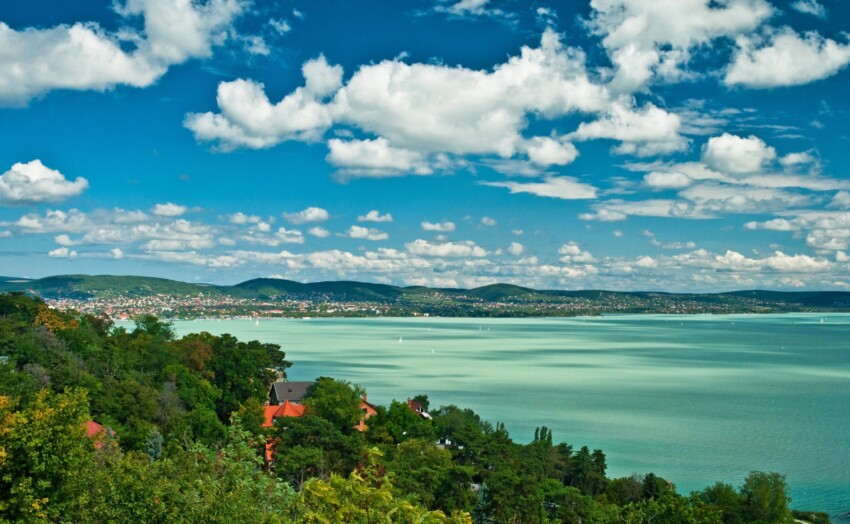
Lake Balaton is the largest lake in Central Europe, with a length of 77 kilometres and a surface area of 592 square kilometres. During the summer, it turns into Hungary’s main bathing destination, with water temperatures easily reaching 25-26 °C due to its average depth of only 3 metres. The southern coast, with its sandy beaches, attracts families and young people, while the northern shore offers historical villages and vineyards.
Tihany, on the peninsula of the same name, is Balaton’s architectural jewel with its Benedictine abbey founded in 1055, from whose terrace there is a panoramic view of the entire lake. In Keszthely, at the western end, the 18th century Festetics Palace houses a library with 86,000 volumes. The region produces prized white wines, particularly along the Badacsony Hills, where wine cellars offer tastings with lake views.
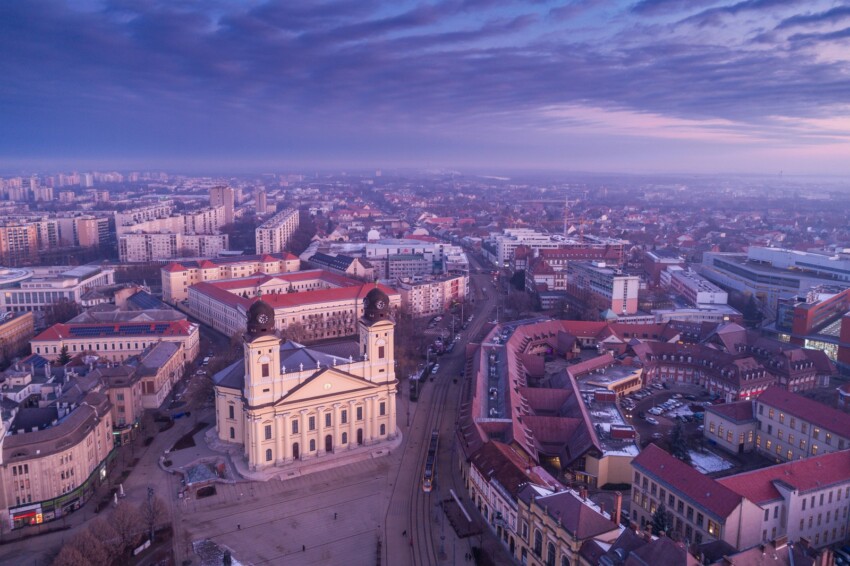
Debrecen, Hungary’s second largest city with 200,000 inhabitants, represents the spiritual heart of Hungarian Protestantism. The Great Reformed Church dominates Kossuth Square with its imposing yellow neoclassical façade. Built between 1805 and 1822, it can accommodate 3,000 worshippers and was the scene of crucial historical events, such as the proclamation of the deposition of the Habsburgs in 1849. Its two 61-metre towers offer a panoramic view of the city.
The Déri Museum holds one of the country’s most important art collections, including Mihály Munkácsy’s Trilogy of Christ, three enormous paintings made between 1881 and 1896. A few kilometres from the centre, the Aquaticum thermal park combines outdoor pools, indoor thermal baths and a Mediterranean aquarium. Debrecen is also a lively university town with over 30,000 students, which guarantees a dynamic cultural life with theatres, concerts and festivals throughout the year.
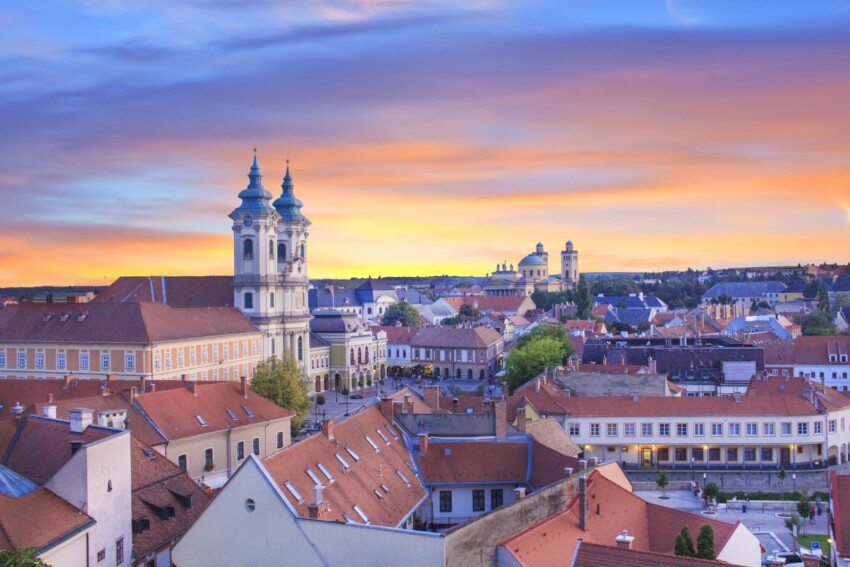
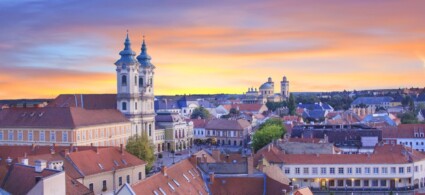
Eger combines military history, Baroque architecture and wine tradition in a city of 53,000 inhabitants located at the foot of the Bükk Mountains. Eger Castle is a symbol of Hungarian resistance: in 1552, 2,000 defenders led by István Dobó repelled a Turkish siege of 40,000 men. Today, the fortified complex houses museums dedicated to the battle, the coin house and a network of underground passages that can be visited.
The city boasts one of the best-preserved Baroque historical centres in Hungary, with its Neoclassical basilica (the second largest church in the country), the 40-metre-high Turkish minaret from which the city panorama can be admired, and dozens of pastel-coloured 18th-century palaces. The Valley of the Belles on the outskirts of the city brings together 200 wine cellars carved out of the tuff where you can taste Egri Bikavér (Bull’s Blood of Eger), the robust local red wine.
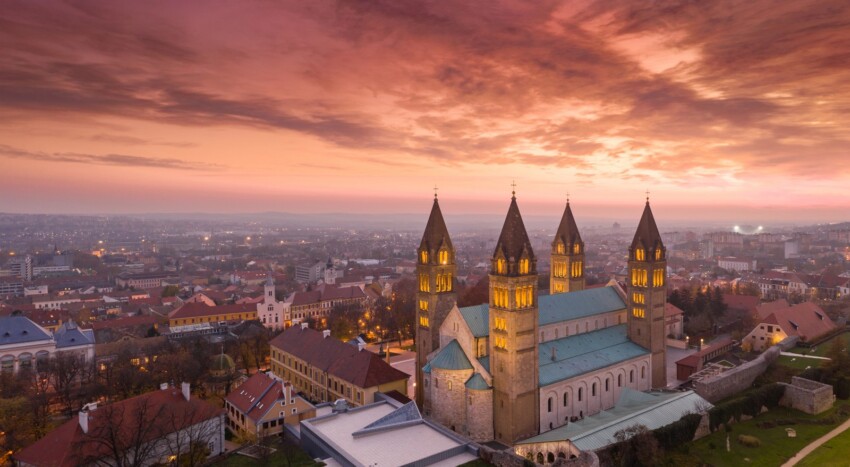
Pécs, in southern Hungary near the Croatian border, was the European Capital of Culture in 2010 and holds 2,000 years of layered history. The 4th century early Christian necropolis, a UNESCO heritage site since 2000, features frescoed tombs of extraordinary artistic quality, with biblical representations still vivid after 16 centuries. The site includes 16 burial chambers arranged on two levels beneath the present cathedral.
The historical centre reflects 150 years of Ottoman rule (1543-1686) with buildings unique in Hungary: the Pasha Qasim mosque, converted into a Catholic church but with interiors decorated with Arabic calligraphy, and the Yakovali Hassan mosque still functioning as a museum. The city has four universities and a Mediterranean atmosphere unusual for central Europe, favoured by the mild climate. The Zsolnay manufactures, active since 1853, produce the glazed ceramics that decorate buildings all over Hungary, with a dedicated museum in the renovated cultural quarter.
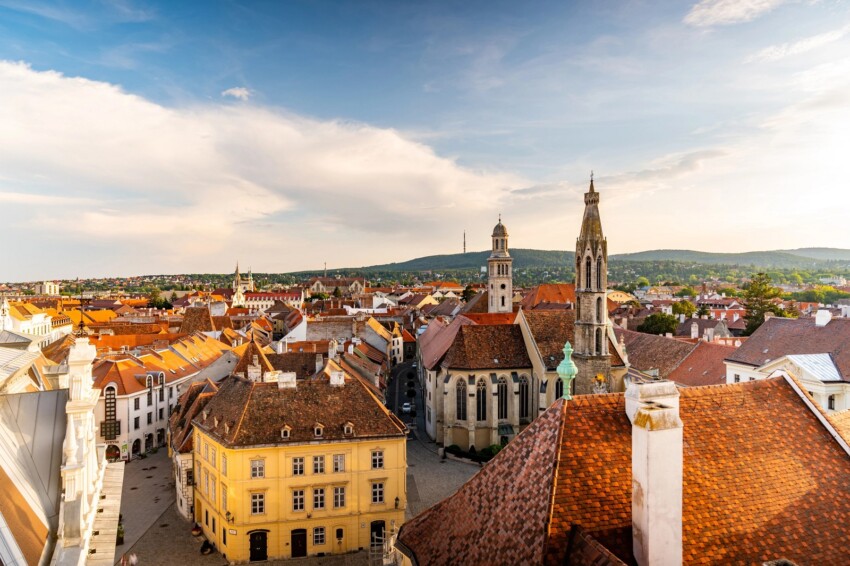
Sopron, on the Austrian border, has preserved its medieval character better than any other Hungarian town. The 60-metre-high Fire Tower, built between the 13th and 17th centuries on Roman foundations, serves as the gateway to the circular old town. Climbing the 200 steps leads to the viewing terrace from which the Austrian Alps can be seen on a clear day.
The old town centre concentrates practically intact Gothic, Renaissance and Baroque palaces in a few cobbled streets, with the Franciscan church dating from the 14th century and historic synagogues testifying to the coexistence of different communities. Sopron was saved from the bombing of World War II and in 1921 chose in a referendum to remain Hungarian instead of joining Austria. The surrounding hills produce excellent white wines, especially Kékfrankos, with wineries that can be visited in Balf and the neighbouring hamlets.
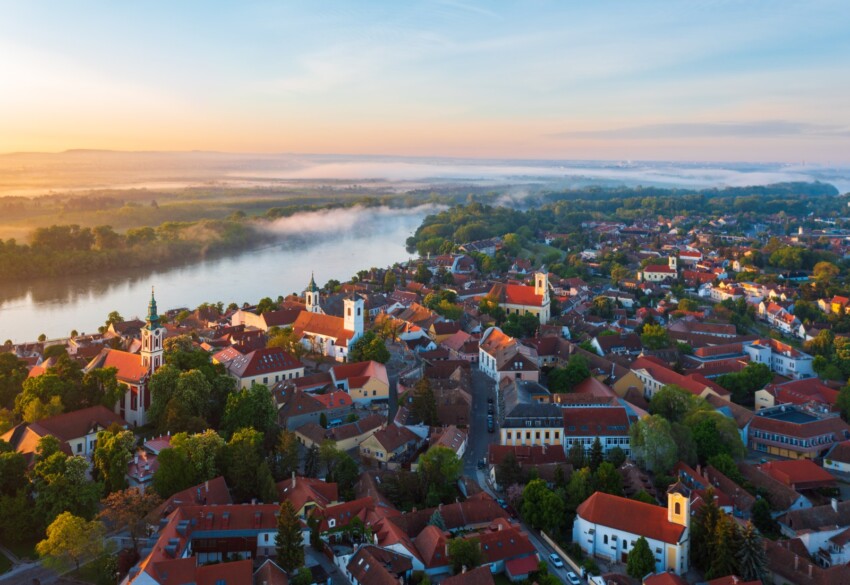
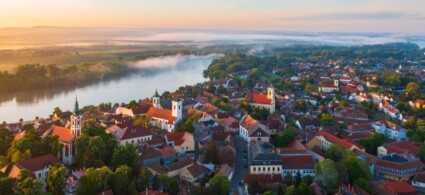
Just 20 kilometres north of Budapest, Szentendre enchants with its colourful houses, cobbled lanes and bohemian atmosphere. Founded by Serbian merchants and craftsmen fleeing the Turks in the 17th century, it has maintained seven Orthodox churches with gilded iconostases and Balkan architecture. The Serbian Blagovestenska Cathedral from 1764 houses precious frescoes and icons, while the Museum of Serbian Sacred Art collects works from the 14th to the 19th century.
The city became an artists’ colony in the 1920s and today has over 20 galleries and museums, including the Kovács Margit Museum dedicated to the Hungarian ceramist, and the unique Marzipan Museum with edible sculptures. The riverfront offers restaurants with terraces and shops selling local handicrafts. Szentendre can be reached from Budapest by the HÉV suburban train in 40 minutes or by boat on the Danube from April to October (2-hour scenic boat ride).
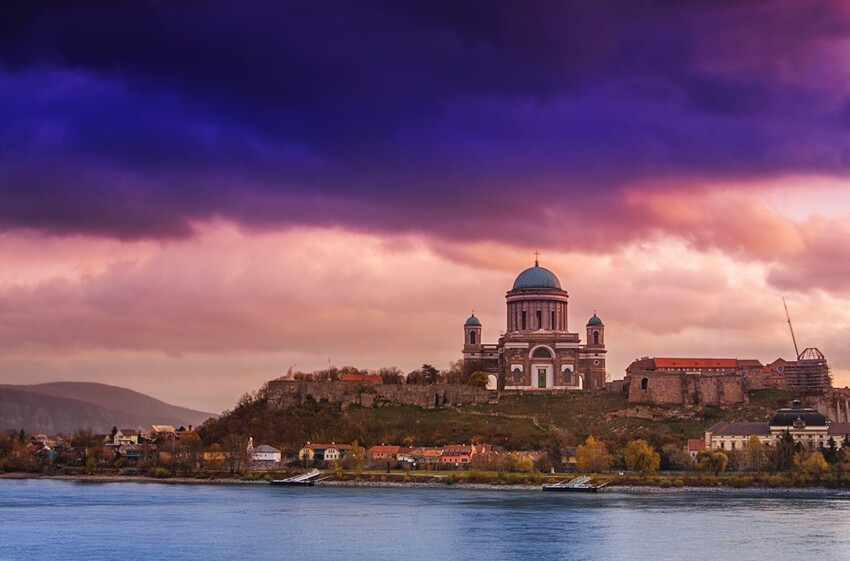
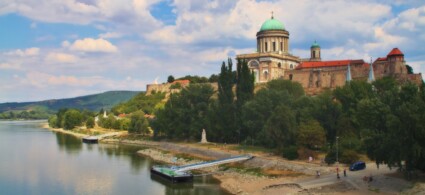
Esztergom, situated on the Danube bend where the river marks the border with Slovakia, was the first capital of the Kingdom of Hungary and the seat of the primate of the Hungarian Catholic Church. The basilica, visible from miles around, is the largest church in the country: 118 metres in length, a 100-metre high dome and an altarpiece depicting the Assumption painted on a single 13.5 by 6.6-metre canvas, the largest handmade canvas in the world.
The treasury of the basilica contains valuable medieval reliquaries, including the Cross of Matthias Corvinus from 1402 and the coronation chalice from 1074. The adjacent castle, where the first Hungarian king St. Stephen was born in 975, houses the Castle Museum with exhibits from Roman times to the Middle Ages. Crossing the Mária Valéria Bridge (rebuilt in 2001 after wartime destruction), one passes through Slovakia to see Esztergom from a different perspective.
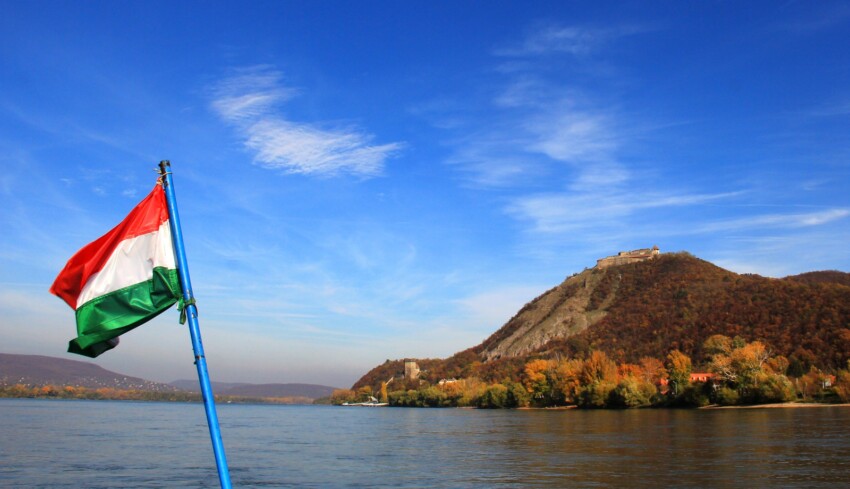
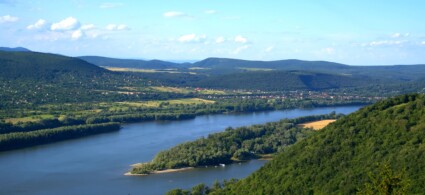
Visegrad occupies a strategic position on the Danube bend, protected by two fortifications that made it a key military stronghold in the Middle Ages. The Citadel, perched 350 metres above the river, was built in the 13th century and offers the most spectacular panoramic view in Hungary: the Danube Bend, the Börzsöny and Pilis mountains, and on a clear day even Esztergom 20 kilometres away.
Down in the valley, the partially reconstructed Royal Palace displays the Renaissance magnificence desired by King Matthias Corvinus in the 15th century. Excavations have unearthed the famous red marble Hercules Fountain, courtyards with loggias and the remains of the hypocaust heating system. The palace hosted legendary banquets and was a centre of Hungarian humanist culture. Hiking trails in the Pilis Mountains and ferries across the Danube to Nagymaros depart from Visegrad in summer.
Hortobágy National Park, Hungary’s first national park (established in 1973) and a UNESCO World Heritage Site since 1999, preserves 82,000 hectares of the puszta, Hungary’s Great Plain. This ecosystem of alkaline grasslands and wetlands is home to 342 species of birds, including Europe’s largest colony of grey cranes, which concentrate here during their autumn migration (over 100,000 in October).
The 167-metre-long Nine Arches Bridge, built in 1833, is the symbol of the park and the longest stone bridge in Hungary. Traditional farmsteads showcase the breeding of Hungarian nonius horses and grey cattle, with demonstrations of the equestrian skills of the csikós (horse-riding herdsmen) who ride standing on two or three galloping horses. The Shepherd’s Museum in the Hortobágy csárda tells the story of life in the puszta between the 18th and 19th centuries.
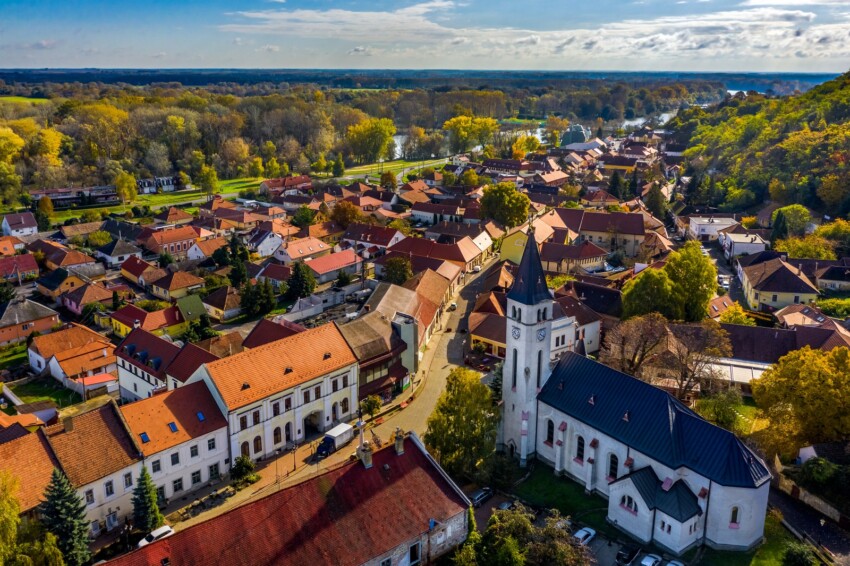
The Tokaj region, a UNESCO heritage site since 2002, has been producing Tokaji Aszú, the sweet wine that Louis XIV called ‘the wine of kings, the king of wines’, for 500 years. The 28 wine-growing villages cover 5,500 hectares between the slopes of the Zemplén Mountains and the Bodrog River, where the combination of morning mists and warm sunshine favours noble rot (Botrytis cinerea) on Furmint grapes, concentrating sugars and aromas.
The village of Tokaj has 5,000 inhabitants and 600 historical cellars carved into the volcanic tuff, where the constant temperature of 10-12°C and high humidity create ideal conditions for ageing. The Rákóczi and Oremus cellars offer guided tastings and tours of the underground labyrinths that stretch for kilometres. The Tokaji Museum traces the region’s wine history since Roman times. In Sárospatak, the 13th-century Rákóczi Castle combines Gothic and Renaissance elements, with French-style gardens and an important collection of Hungarian art. The region is best visited between September and October, during the grape harvest, or in spring when the vineyards are in bloom.
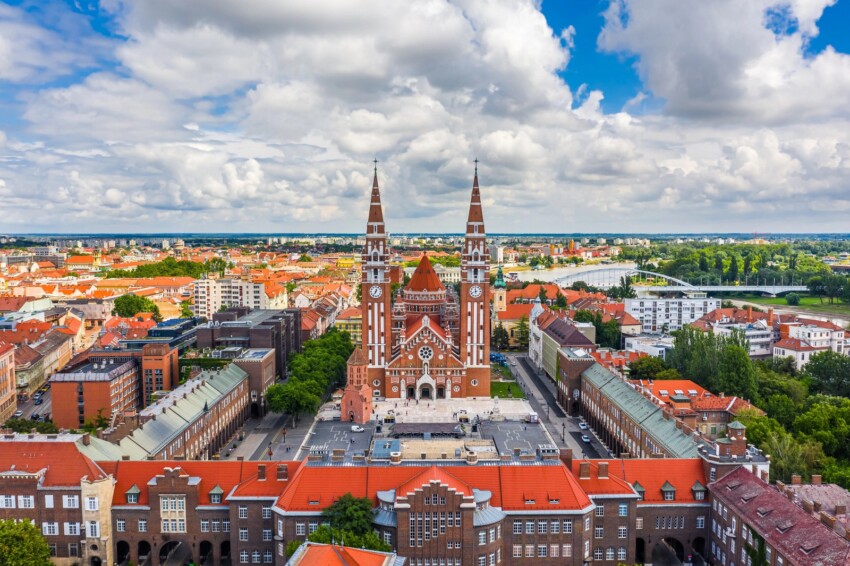
Seghedino, the southern capital with a population of 160,000, was completely reborn after the devastating flood of 1879 that destroyed 90 per cent of the buildings. Reconstruction in an eclectic style with art nouveau influences created a harmonious city along both banks of the Tisza. Dóm Square, one of the largest in Europe, houses the neo-Romanesque votive cathedral built between 1914 and 1930, with twin 91-metre towers and a 10,000-pipe organ.
Szeged is famous for paprika, chicken paprikás and fish soup, with the covered market offering local produce of the highest quality. The Rococo-style National Theatre and the art nouveau Reök Palace are architectural masterpieces not to be missed. The university with 21,000 students guarantees lively nightlife and cultural festivals, in particular the summer open-air festival on Dóm Square. The Virág confectionery, active since 1885, serves traditional krémes (cream cakes) according to the original recipe.
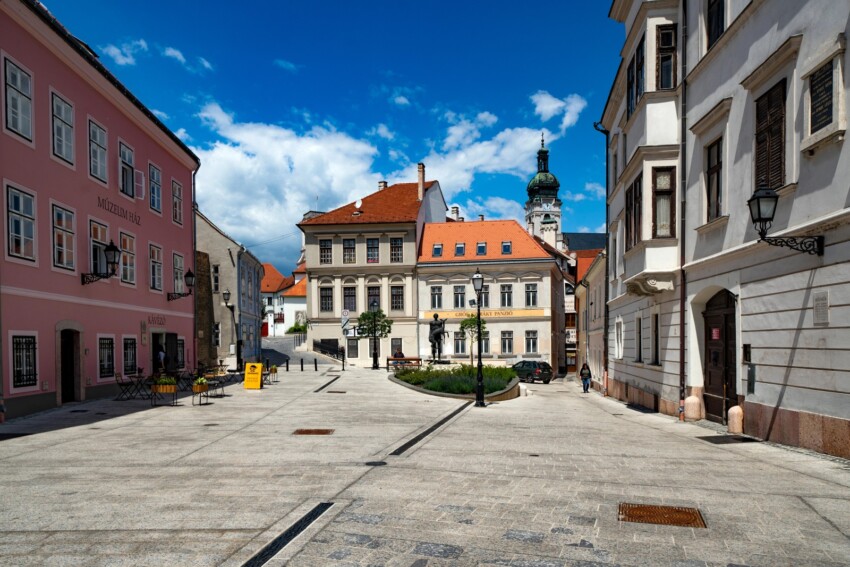
Győr, equidistant between Budapest and Vienna (125 kilometres from both), thrives as an industrial centre but has retained a beautiful Baroque core. The historical centre, rebuilt after the fire of 1729, features pastel-coloured palaces, churches and perfectly restored hidden courtyards. The basilica, elevated to minor basilica status in 2006, houses a 15th-century gold and silver bust-reliquary of St. Ladislaus, considered one of the masterpieces of Gothic goldsmithing.
The Renaissance Zichy Palace hosts classical music concerts, while the National Theatre dating back to 1830 maintains quality programming. Széchenyi Square, surrounded by historical buildings, is the heart of city life with seasonal markets and outdoor cafés. Győr is also the gateway to the Lesser Plain (Kisalföld) and the starting point for visiting the Benedictine Pannonhalma Abbey, a UNESCO heritage site 20 kilometres from the city, founded in 996 and still inhabited by monks who produce wine and lavender.
To adequately explore Hungary beyond the capital, we recommend at least five to seven days, considering that distances between the main attractions vary from 100 to 250 kilometres. Car hire offers maximum flexibility, with well-maintained roads and clear signposting, although motorway tolls require prior purchase of a vignette (available for 10 days, 1 month or 1 year). Alternatively, the MÁV railway network efficiently connects Budapest with all major cities, with frequent trains to Eger (2 hours), Debrecen (2.5 hours) and Pécs (3 hours).
The best time to visit depends on interests: April-June and September-October offer pleasant temperatures (15-25°C) and fewer tourists, while July-August is ideal for Lake Balaton but can be very hot in the cities (over 30°C). Autumn is perfect for the wine regions during the grape harvest. As for accommodation, we recommend booking in advance during the high season and local festivals, while you can find great bargains in smaller towns during the low season.
Hungary’s telephone code is +36: to call a Hungarian number from abroad, you need to dial the international dialling code +36 or 0036 before the recipient’s number.
Hungary follows the time zone GMT+1 (Central European Time), i.e. one hour above Greenwich Mean Time. During the summer, the country adopts daylight saving time by switching to GMT+2.
Hungary is located in Central Europe and is landlocked. The country borders seven states: Austria and Slovenia to the west, Slovakia to the north, Ukraine to the northeast, Romania to the east, and Serbia and Croatia to the south. The Hungarian territory is crossed by the Danube River, which bisects the capital Budapest.
Hungary is part of the European Union but not the Eurozone, so the official currency is the Hungarian forint (HUF code, symbol Ft). The exchange rate is around 380-400 forints for 1 euro (always check the current exchange rate before leaving). For more information see the guide on the Hungarian forint.
Electric sockets in Hungary follow the European standard (type C and F), with voltage 230V and frequency 50Hz. Two-pin European plugs are compatible, while adapters for plugs of other international standards may be required.
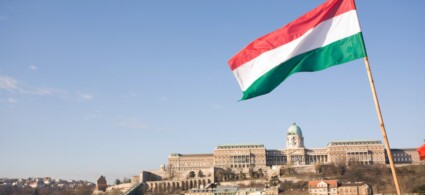
The flag of Hungary is a horizontal tricolour consisting of three bands of equal size: red at the top, white in the middle and green at the bottom. The red symbolises blood shed for the homeland, the white symbolises purity and freedom, and the green symbolises hope and fertile land. The current flag has been in use since 1957.
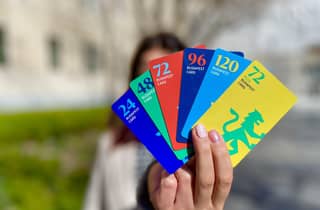
City Card allow you to save on public transport and / or on the entrances to the main tourist attractions.





 Hotel
Hotel  Budget accommodations
  Apartments
  Family Hotel
  Luxury Hotel